28
Jan
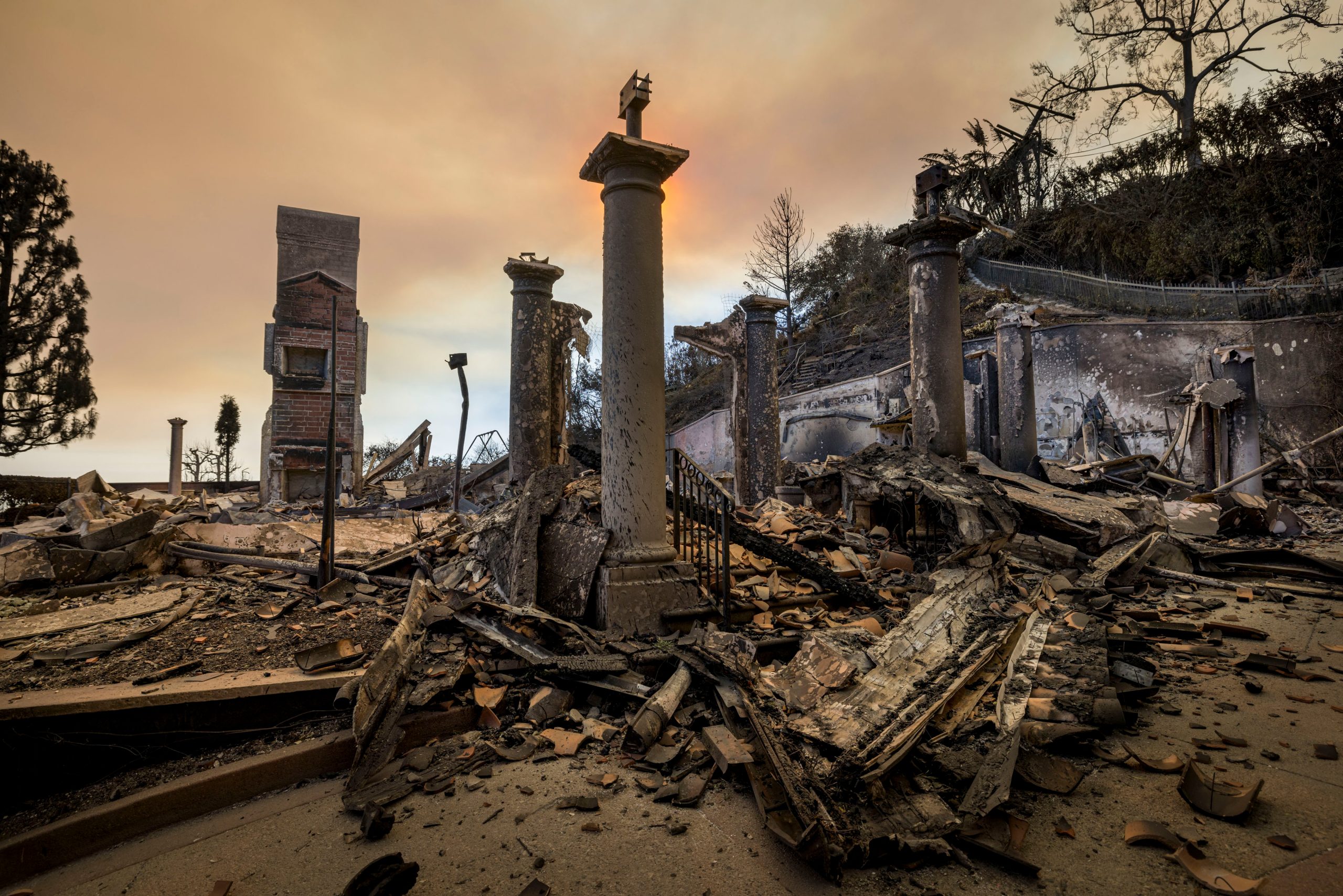
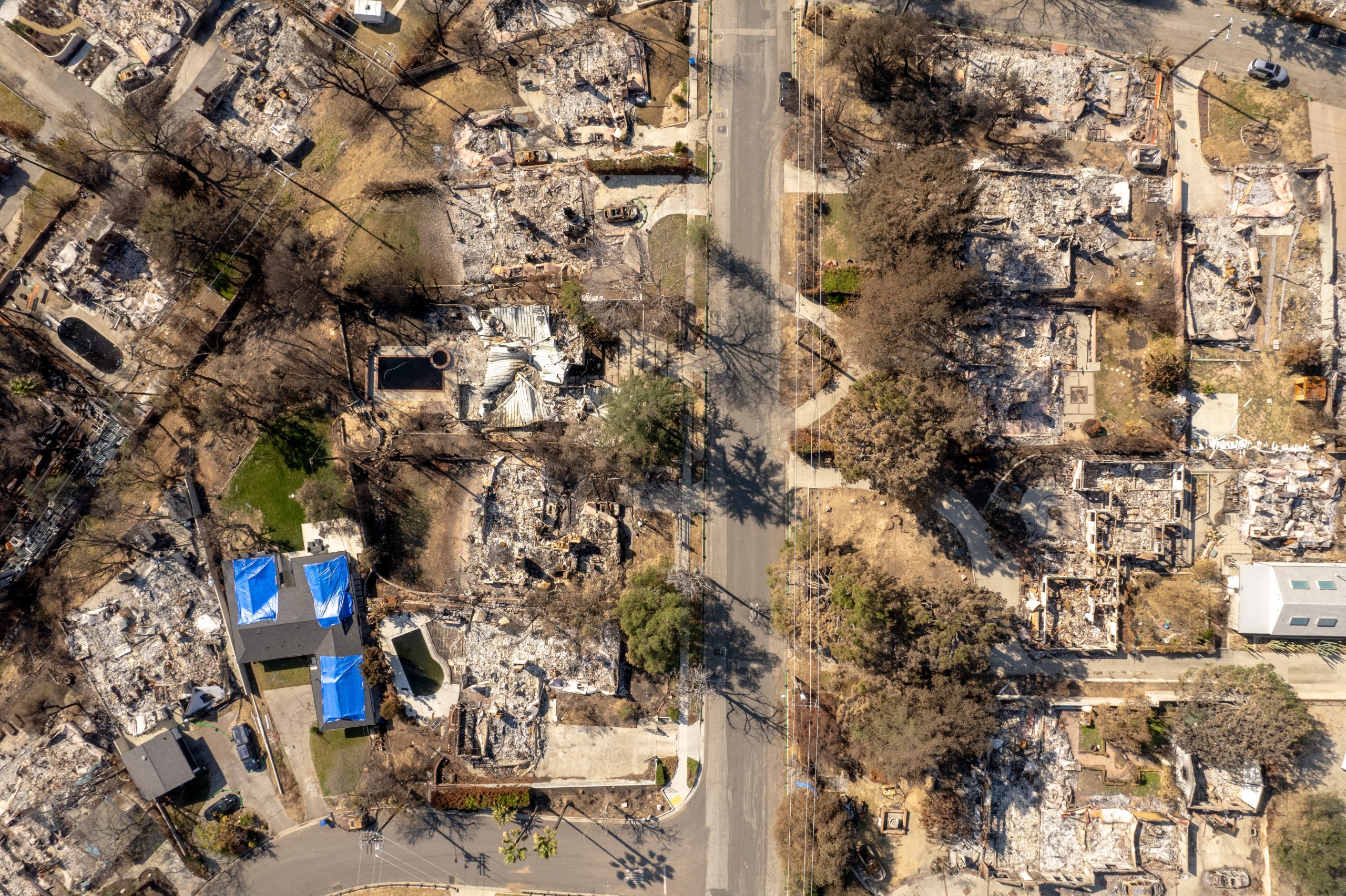
Nearly 40,000 acres were burned in the Eaton and Palisades wildfires last January, killing at least 31 people and destroying 16,000 structures.
Nearly 40,000 acres were burned in the Eaton and Palisades wildfires last January, killing at least 31 people and destroying 16,000 structures.
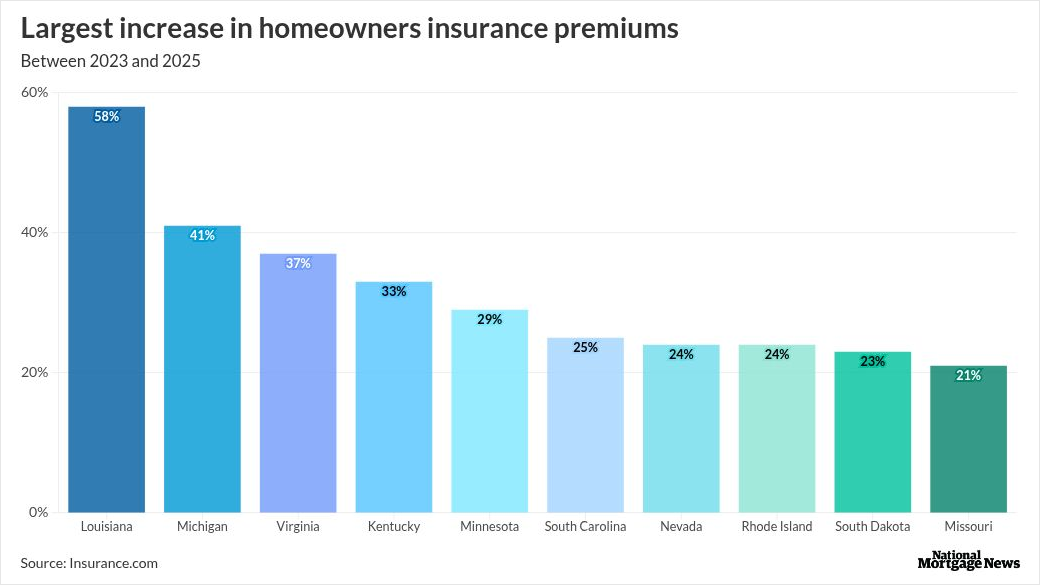
Rates actually declined or remained flat over a two-year period in 15 states, including Florida, with natural disasters and tariffs affecting 2026’s movements.
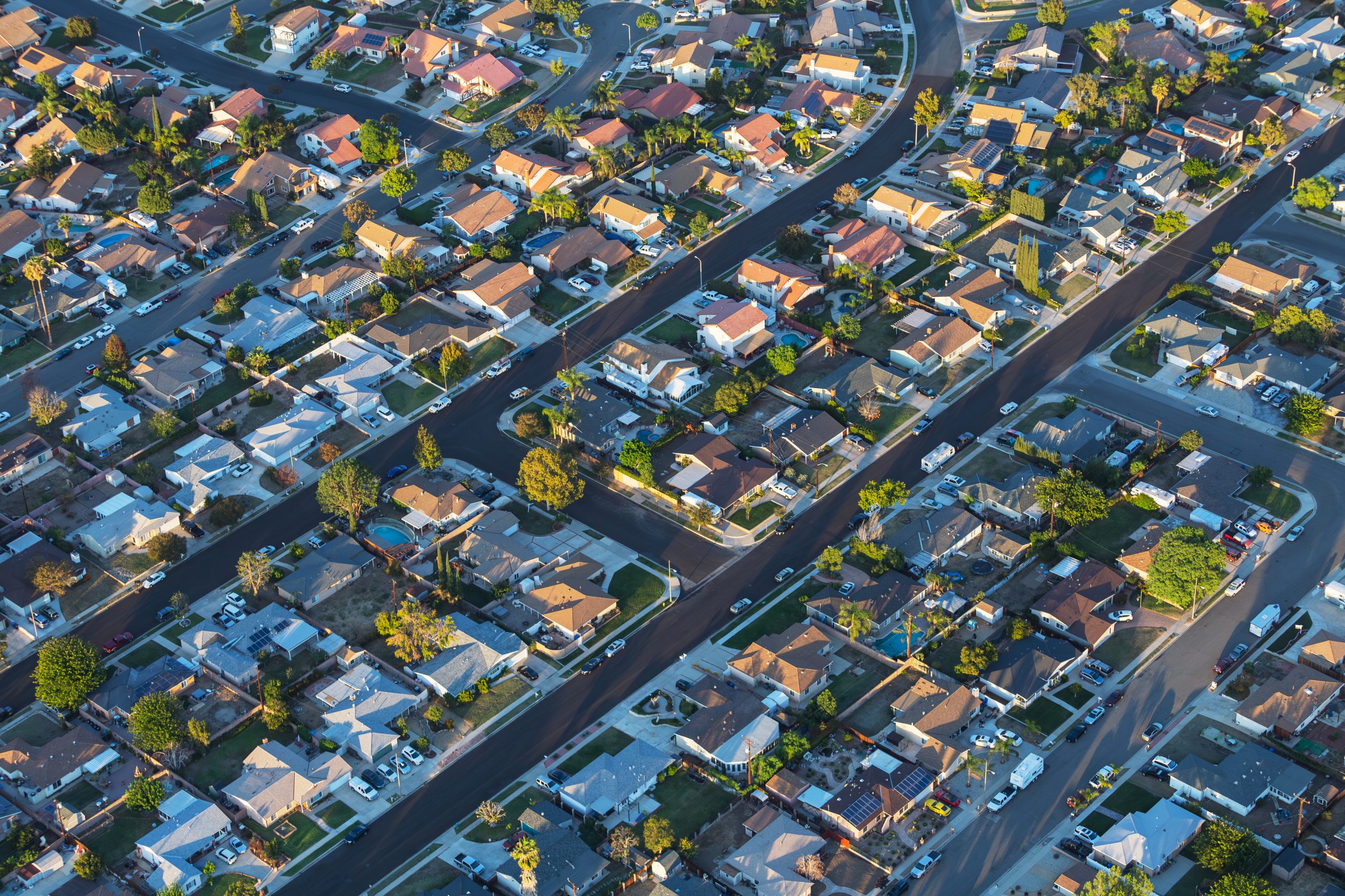
U.S. homeowners are concerned about climate and insurance costs, according to Kin’s Homeownership Trends Report.
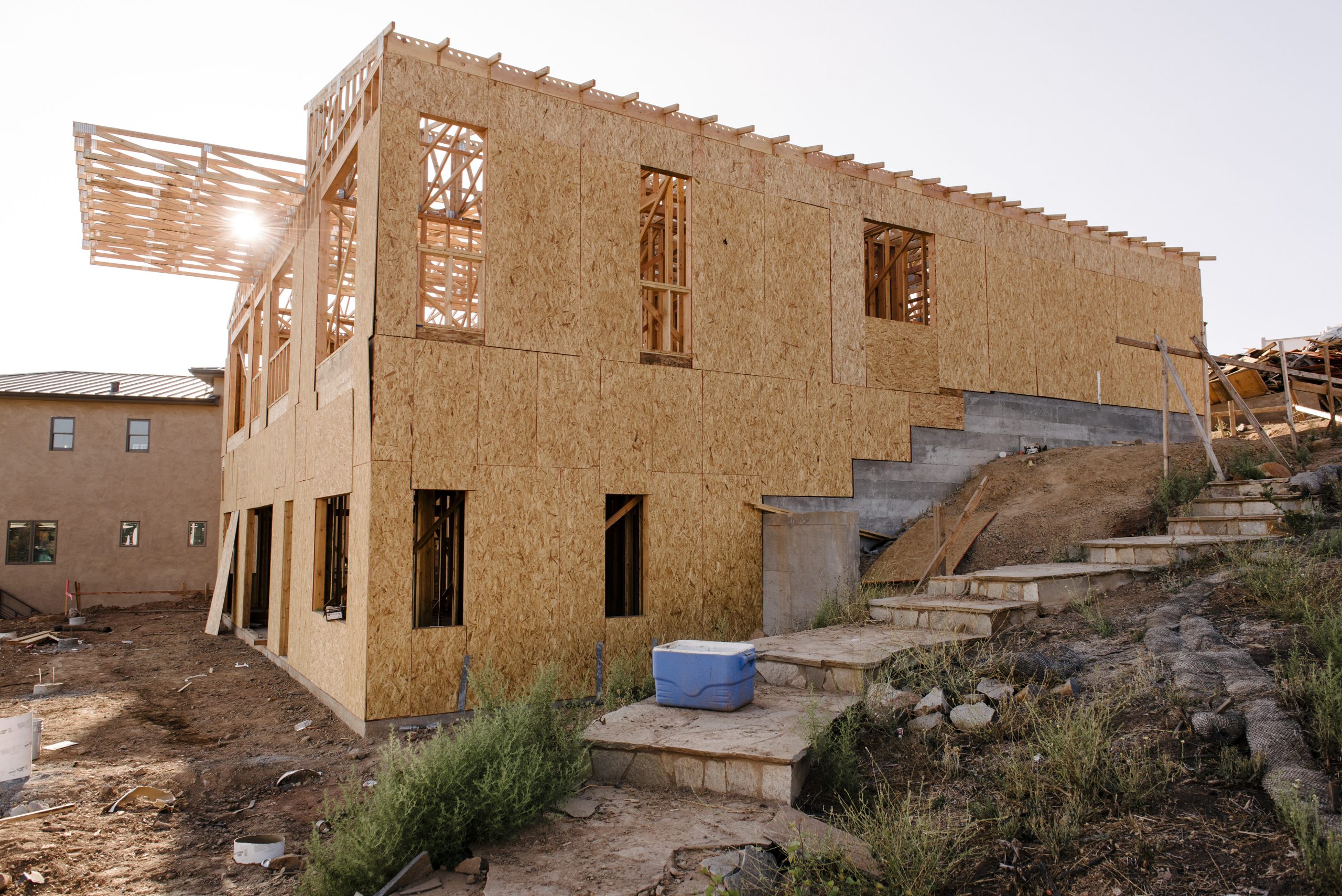
Since the 1990s, American homes have been systematically underinsured in the event that they are completely destroyed.
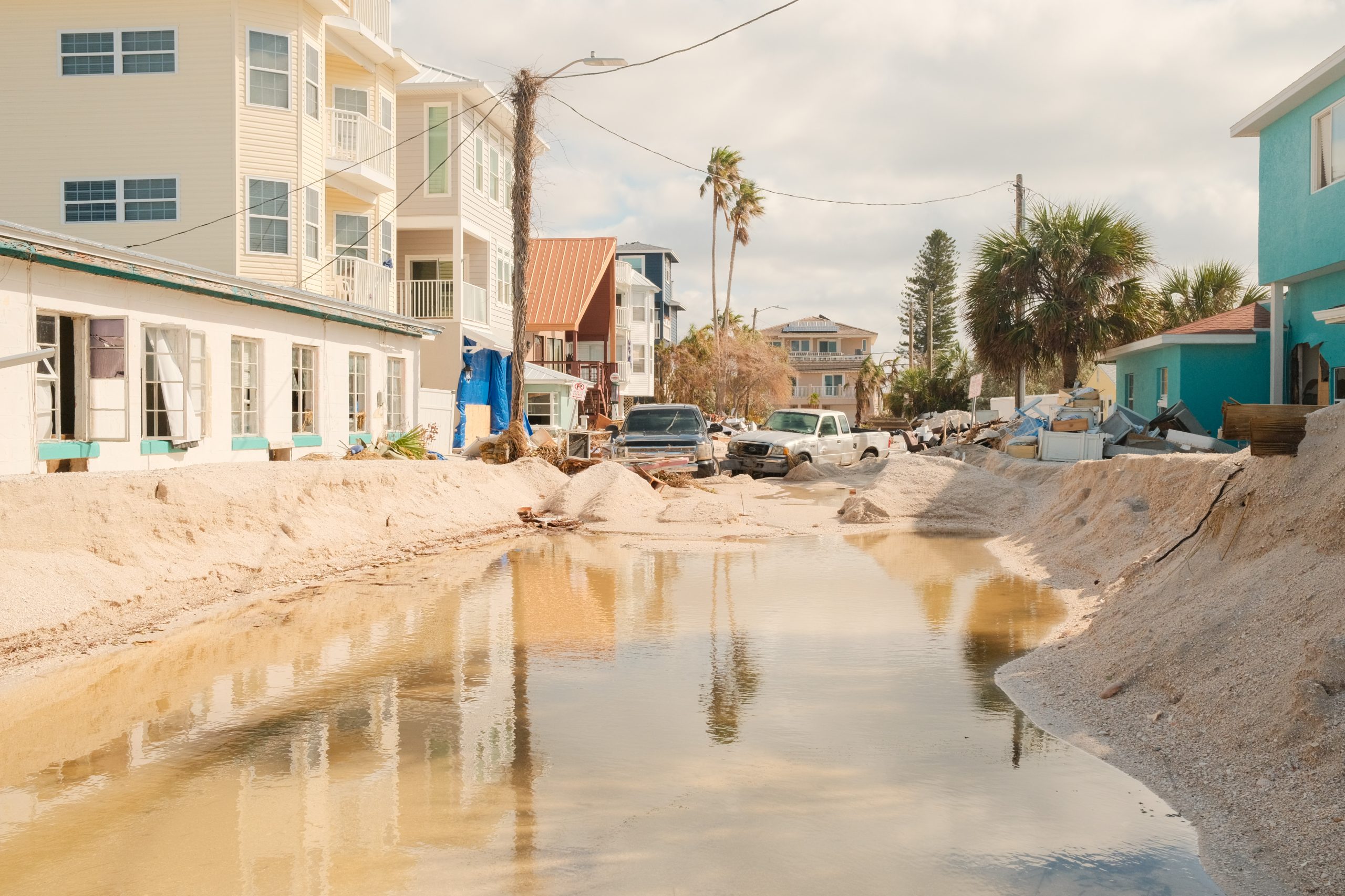
Insured losses for so-called non-peak perils — also sometimes referred to as secondary perils — reached a record $98 billion last year, Munich Re said in a report released on Tuesday.
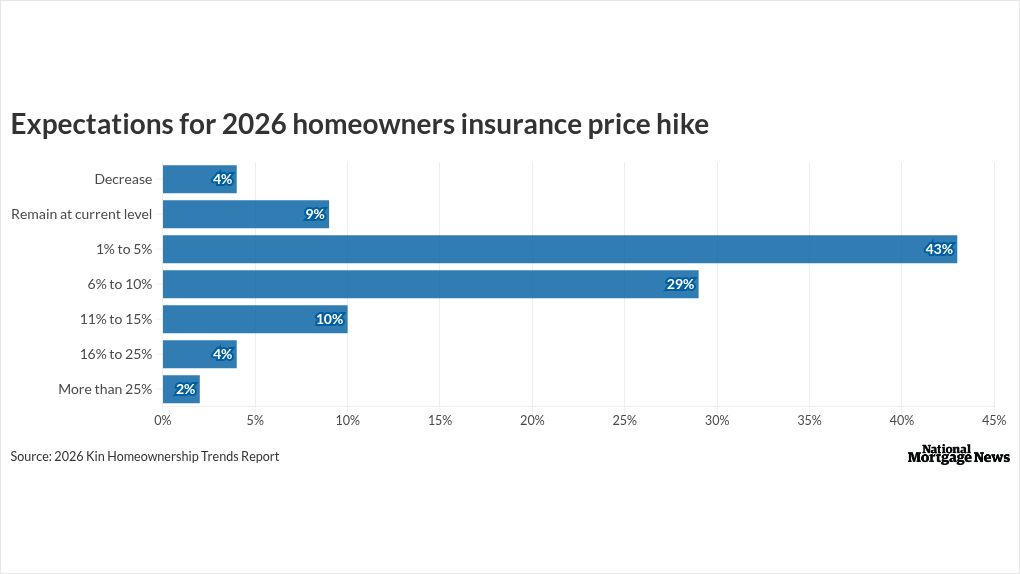
The impact of extreme weather remains top of mind for many, with a majority of homeowners citing it as a factor behind purchase or relocation considerations.
Three U.S. senators opened an inquiry into insurance ratings firm Demotech and whether its assessments may be exposing taxpayers to growing risks tied to climate-driven insurer failures.
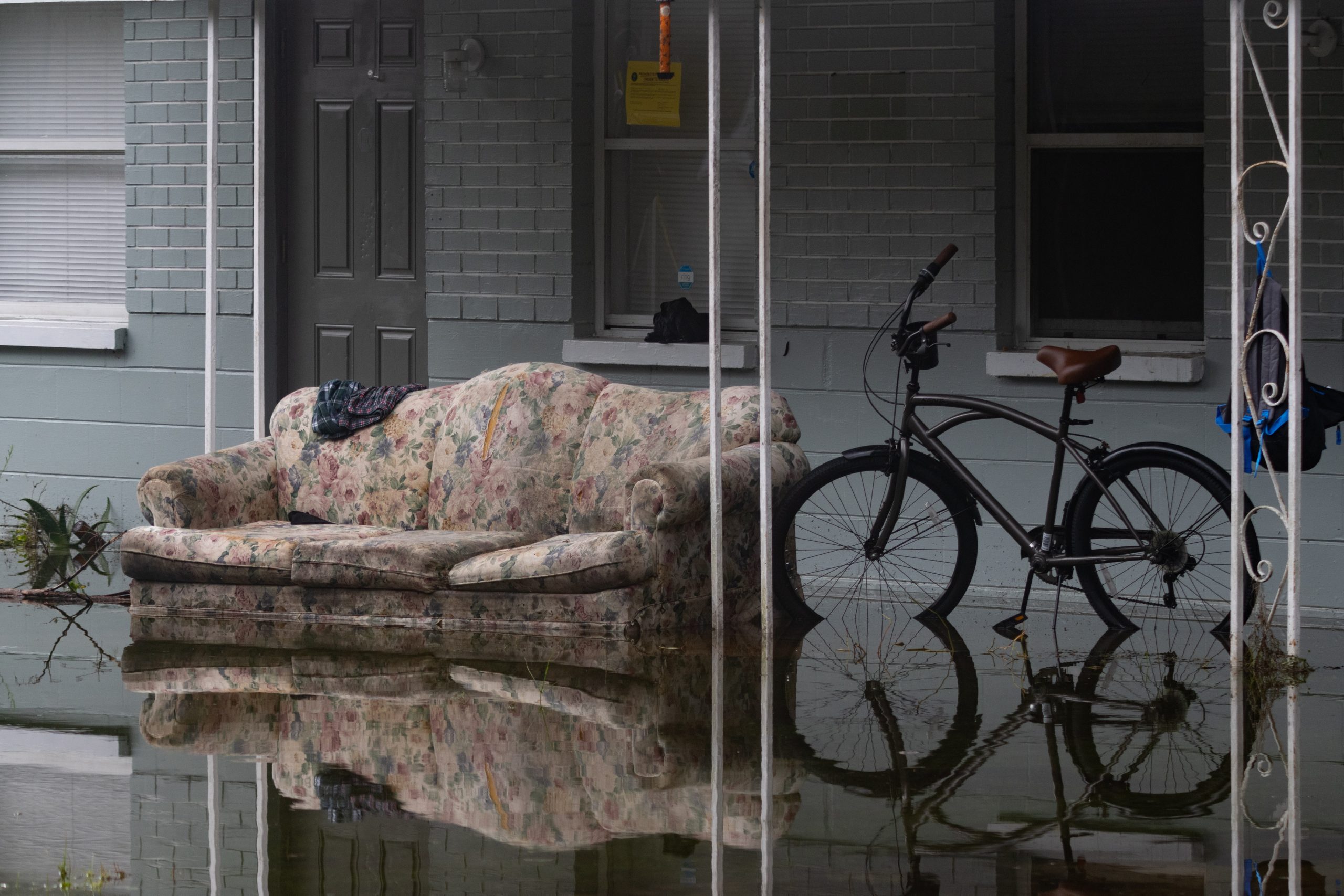
A paper published Tuesday in the Journal of Catastrophe Risk and Resilience estimates that Risk Rating 2.0, FEMA’s 2021 update, resulted in up to 13% of those facing the highest premium increases dropping their policies.

As more insurers tie credits to connected technologies, monitoring will become a basic expectation rather than an added feature.

Amanda Smith is currently the chief product officer, home for Plymouth Rock Assurance.